
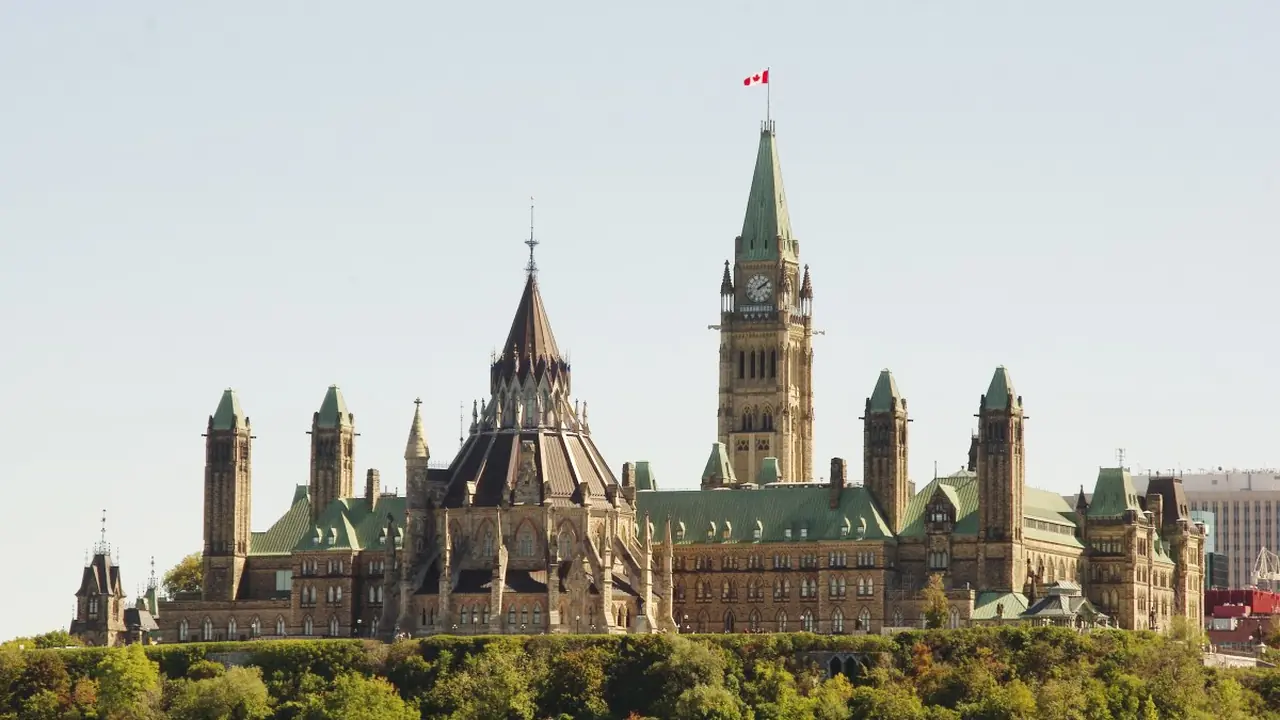
Ottawa makes more sense when you follow its waterways. The canal brings you to the locks, the river opens a view toward Gatineau, and Sussex Drive connects art, places of worship and the grounds of an official residence. A good first visit gives those connections time to emerge.
These fifteen things to see and do in Ottawa offer different ways into the capital: political history, neighbourhood food, national collections and outdoor pauses. They are choices for several outings, not fifteen obligations for one day. One selection crosses into Gatineau, Quebec; the others are in Ottawa.
Start with the experience you most want, then add nearby stops. If the visit is part of a move between Montreal and Ottawa, keep property appointments separate from sightseeing. Déménagement ALEX can assess the transport project, while the long-distance moving guide helps organize preparation.
1. Parliament Hill: choose an actual visitor experience
Visitor reference: West Block, 111 Wellington Street; the Senate of Canada Building is at 2 Rideau Street. Follow the entrance instructions on the booking for your chosen tour.
Parliament is worth visiting for the relationship between the buildings and the institution. Centre Block is closed for rehabilitation, so a photograph of the familiar skyline should not become an expectation of entering its chambers or the Peace Tower.
Use the official Parliament visitor service to choose an available experience. House of Commons tours at West Block are free, with advance reservations encouraged. Allow the requested arrival time for screening, and check identification and bag requirements before leaving. Build the rest of the morning around the confirmed booking.
2. The Ottawa Locks and Bytown Museum: read the city from the canal
Visitor reference: Bytown Museum, 1 Canal Lane, beside the Rideau Canal locks below Parliament Hill.
Here, the change in water level makes the canal’s engineering visible. Look at the sequence of lock chambers and the relationship between the water, stone building and river. It is a particularly useful stop for understanding how Ottawa developed beyond its role as the capital.
The Bytown Museum’s visitor page explains admission and seasonal access. At the November 2026 review, regular public museum visits were closed for winter. Distinguish an outdoor look at the area from museum admission, and check the available walking route before descending: the return climb and winter surfaces can change the outing.
3. ByWard Market: leave room for a meal
Orientation: the district around ByWard Market Square, George Street and York Street, east of Parliament Hill.
ByWard Market works best as a neighbourhood visit. Browse, compare a few food options and sit down somewhere that suits the group. The district contains restaurants, shops and public spaces as well as market activity, so its appeal does not depend on buying the first souvenir you see.
Use the market district’s directory and calendar to see what is operating. Outdoor vendor activity changes with the season. A winter visit will have a different rhythm from a summer market morning. Pair the district with the National Gallery or Major’s Hill Park rather than interrupting lunch for a distant appointment.
4. National Gallery of Canada: give one collection your attention
Address: 380 Sussex Drive, Ottawa.
The National Gallery can be the main reason for a day in Ottawa. Choose a collection or exhibition that interests you, then leave time to look properly. A few works considered together can create a stronger memory than a quick circuit of every room.
Check the Gallery’s visitor information for the current program, admission and access. Use the building’s spaces and changing views as pauses between galleries. If travelling with people whose interests differ, agree on a meeting point and a manageable visit length. The cathedral across Sussex Drive offers a nearby architectural complement, subject to its visitor arrangements.
5. Notre-Dame Cathedral Basilica: pause across Sussex Drive
Visitor reference: 385 Sussex Drive, opposite the National Gallery.
This is a place to slow down and look at interior craftsmanship, light and the way a religious building shapes a street. It also remains an active place of worship. A sightseeing plan needs to respect services and any visitor restrictions.
Consult the cathedral’s official information before entering. Keep conversation quiet and follow photography guidance. The exterior can still contribute to a Sussex Drive walk when an interior visit is unavailable. Combining this stop with the Gallery avoids another journey across town and gives the afternoon a coherent focus on art and architecture.
6. Major’s Hill Park: see how the landmarks fit together
Orientation: between the National Gallery and Château Laurier, near Sussex Drive and Mackenzie Avenue.
Major’s Hill Park offers a useful break between indoor visits. Its outlooks connect Parliament, the Ottawa River and the canal locks in one landscape. Spend a moment tracing the route you have walked instead of immediately searching for the next attraction.
The National Capital Commission’s park page describes the setting and facilities. Washrooms and seasonal food services should be checked for the date. In colder weather, shorten the outdoor pause to suit conditions. The park belongs naturally with ByWard Market and the Gallery; it need not become a separate excursion.
7. Canadian Museum of History: cross to Gatineau deliberately
Address: 100 Laurier Street, Gatineau, Quebec.
Although commonly included in an Ottawa visit, this museum is across the river in another city and province. Make the crossing part of the plan. Check the current route and return arrangements rather than assuming a particular bridge or seasonal boat service is available.
The museum’s planning page helps select exhibitions and admission. Give the visit a historical question: a period, a community or a subject you want to understand better. Leave space for the river outlook afterwards. Families should check arrangements for the Children’s Museum separately rather than assuming every experience follows the same booking conditions.
8. Canadian War Museum: plan a thoughtful visit
Address: 1 Vimy Place, Ottawa.
The Canadian War Museum provides an opportunity to consider conflict through objects, individual lives and wider historical consequences. Its subject calls for attention. Discuss the visit with younger travellers and choose a route suited to their interests and comfort.
Consult the official visit planner for timed tickets, exhibitions and arrival options. Treat the museum as a substantial part of the day rather than a short gap between appointments. A quiet outdoor pause afterwards can be more appropriate than scheduling another large collection immediately. Keep enough time for the return journey without rushing the final galleries.
9. Canadian Museum of Nature: choose a question to follow
Address: 240 McLeod Street, Ottawa.
The museum’s heritage building creates a memorable setting for natural history. Begin with a subject that draws the group in: fossils, animals, the Arctic or the changing environment. Asking one question gives children and adults something to look for together.
The museum’s visitor page separates the current exhibitions and practical arrangements. Check whether a selected experience requires an additional booking. Keep snacks, breaks and the journey from the downtown core in the plan. A rainy day can suit a museum visit, but other visitors may have the same idea; confirm admission rather than relying on the forecast alone.
10. Ottawa Art Gallery: discover another artistic perspective
Visitor entrances: 10 Daly Avenue or 50 Mackenzie King Bridge, Ottawa.
Ottawa Art Gallery gives the city’s cultural outing another direction. Choose an exhibition from its current program and give yourself room to respond to the work, without needing to turn the visit into an art-history lesson.
The Gallery’s official visitor page confirms free admission and explains the two entrances. Check opening and exhibition dates before making it the day’s main destination. Its location near the Rideau Centre can fit a central outing, but allow time to reach the entrance you intend to use. This is a separate institution from the National Gallery on Sussex Drive.
11. Canada Aviation and Space Museum: make the eastward trip count
Address: 11 Aviation Parkway, Ottawa.
Aircraft provide a striking way to explore engineering and the people behind flight. Pick a theme such as early aviation, design or space exploration, then use it to connect a few objects. This gives the collection a story beyond the size of the machines.
Check the museum’s visit planner for admission and directions. This is a separate journey from the Parliament and market cluster. Allow time for it, and verify any advertised optional activity independently. A flight-related experience or special program should only enter the itinerary once its availability and conditions are confirmed.
12. Canada Science and Technology Museum: follow curiosity
Address: 1867 St Laurent Boulevard, Ottawa.
This is a good candidate for visitors who prefer learning through objects, demonstrations and questions about how things work. Let each person choose a topic, then compare what caught their attention. The day becomes easier to share when nobody has to enjoy every display equally.
The official visitor page provides opening, ticket and parking information. Plan this as its own museum outing outside the central walking cluster. Check the program before promising a particular demonstration to a child. Leave a flexible end to the visit so an engaging section can receive more time.
13. Canada Agriculture and Food Museum: explore where food begins
Address: 901 Prince of Wales Drive, Ottawa.
The museum offers a different perspective on the capital through farming and food production. It can suit families looking for a visit that connects familiar meals with animals, work and agricultural questions.
Read the museum’s current visitor information and check the day’s activities. Dress for the conditions and follow animal-area instructions. Avoid promising a specific animal encounter or demonstration before checking the program. Give this outing its own travel allowance instead of assuming it is next door to the other Ingenium museums; the three institutions have separate locations.
14. Rideau Hall: distinguish the grounds from a residence tour
Address: 1 Sussex Drive, Ottawa.
Rideau Hall brings a different scale to a capital visit: an official residence, ceremonial spaces and grounds rather than a downtown museum. Decide which part you want to experience before travelling there.
The Governor General’s visitor information explains arrangements. Access to the grounds and a guided interior tour are separate questions, and official activities can affect availability. Confirm the selected experience and entrance. Keep the outing unhurried, with time to notice the landscape. Nearby Rideau Falls can provide an outdoor complement when the weather and walking conditions suit the group.
15. Rideau Falls Park: finish where two rivers meet
Visitor reference: 50 Sussex Drive, Ottawa.
The Rideau River meets the Ottawa River here at twin falls. This gives the waterway story a satisfying final stop: you can connect the rivers on the map with what is actually in front of you.
The National Capital Commission’s park information identifies the location and commemorative setting. Choose a short visit or combine it with Rideau Hall. Follow barriers and current access notices, especially in winter. These are the Rideau Falls, not the canal locks downtown; keeping the names and locations separate prevents an unnecessary journey to the wrong place.
Build a manageable Ottawa itinerary
For a first day, a practical editorial suggestion is one confirmed Parliament experience, lunch in ByWard Market and either the Gallery or a park walk. For a second day, choose one substantial museum or the Rideau Hall area. These are planning suggestions, not operator schedules or guaranteed walking times.
If coming from Montreal, compare the full outward and return journeys with the time actually available in Ottawa. Check current transport options, parking and any bridge work. For a broader stay, the Montreal first-visit guide and Quebec vacation guide help keep each destination realistic.
Before booking, confirm the main attraction, the entrance, the return journey and one weather alternative. In winter, canal skating is a separate, weather-dependent activity: use the official Skateway status rather than assuming a frozen-looking canal is open. Choose fewer stops when daylight, weather or the group’s energy calls for it.
Plan the river crossing as part of the outing
A selection that includes both Ottawa and Gatineau needs the actual destinations and journeys on one map. Begin at the accommodation and check how the group reaches the intended entrance, not just the city name. A museum, an outdoor viewpoint and a public building may have different receiving arrangements even when they appear close in a general itinerary.
Keep the principal reservation visible and leave other stops compatible with it. Include walking, meals, security or entry procedures where the operator identifies them, and the return. Check current conditions directly with the responsible institution rather than assuming an earlier visitor’s experience applies unchanged.
If the group has limited time, choose one side or one compact theme for the main part of the day. Another attraction can remain a future option. A shorter visit with time to look and discuss can provide a stronger memory than several arrivals that leave no room for the experience itself.
Questions about visiting Ottawa
Can these fifteen Ottawa attractions be visited in one day?
Plan a smaller selection. Choose one main experience and nearby stops; several museums and the Gatineau crossing require their own travel and visiting time.
Can visitors currently enter Centre Block?
Centre Block is closed for rehabilitation at the November 2026 review. Check Parliament’s official booking service for available visitor experiences elsewhere.
Which attraction in this list is outside Ottawa?
The Canadian Museum of History is at 100 Laurier Street in Gatineau, Quebec. Include the river crossing and return journey in the plan.
Is Ottawa a useful outing while planning a move from Montreal?
It can be, provided sightseeing fits around confirmed property appointments and travel. Prepare the moving inventory and access details separately from the visitor itinerary.
For a move within Montreal or to another region, Déménagement ALEX helps Montreal households plan their move around their addresses, belongings and access.